Daikoku PA
A highway rest stop by day, the world’s most famous car meet by night. This is your guide to Daikoku Parking Area: what happens there, when to go, how to get in and how to behave once you are among the cars.
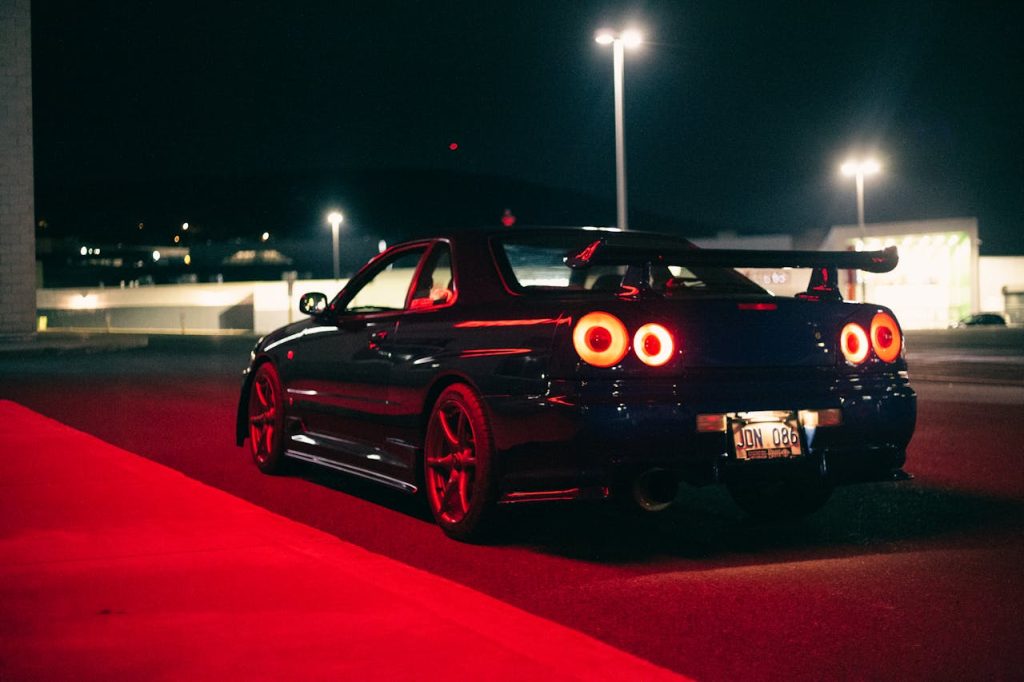
The place
The world’s most famous parking lot
“PA” stands for Parking Area, the name Japanese expressways give to their smaller rest stops. Daikoku PA lies on the Daikoku Route (K5) of the Shuto Expressway, in the Tsurumi ward of Yokohama, and it is the largest parking area on the whole Shuto network. It sits on the man-made Daikoku Futo island, in the middle of a gigantic interchange where elevated ramps loop around the car park like a concrete spiral staircase.
Nothing about the site was designed for car culture. Yet its position between Tokyo, Yokohama and Kawasaki, its huge flat parking area and its isolation from residential streets turned it into the natural meeting point for Japanese enthusiasts. There are no organisers, no tickets and no schedule: cars arrive, stay a while, leave and come back, so the line-up changes all night long.
Tours & experiences
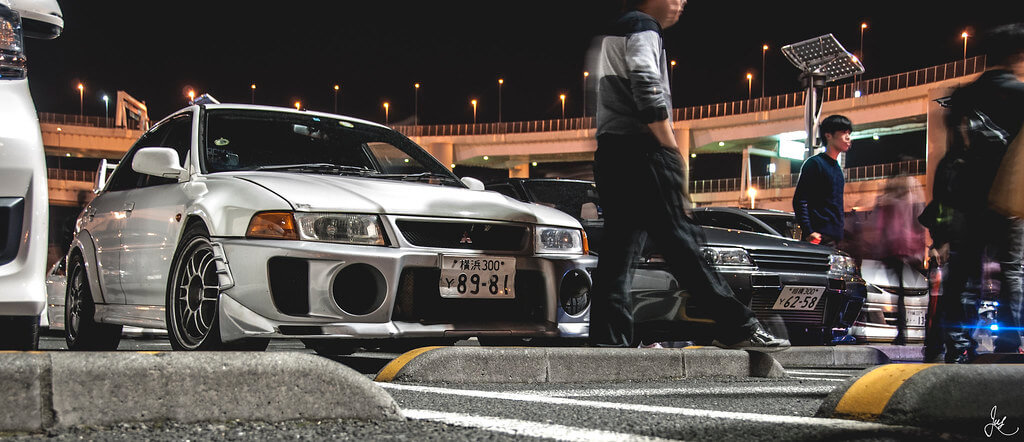
Daikoku PA car meet tours
No car? No problem. These tours drive you to Daikoku PA, many of them in iconic Japanese sports cars.
Getting there
How to get to Daikoku PA ?
There is no train station, no bus route and no pedestrian access: you can only enter from the expressway, on four wheels or two. That leaves three realistic options.
01
Join a guided tour
The easiest way by far. Most tours pick you up in central Tokyo, cruise the Shuto Expressway and stop at Daikoku before bringing you back. Some also visit famous tuning shops such as Liberty Walk or Super Autobacs along the way.
02
Rent a car
Possible if you hold an International Driving Permit valid in Japan. Ask the rental company for an ETC card to pay the expressway tolls, and plan your route carefully: the Daikoku Junction ramps can be confusing at night.
03
Book a private driver
A taxi or hired car can take you inside, but the fare from central Tokyo is high and finding a ride back from the parking area is difficult. Always agree on the return trip before you leave.
On site
What you will find inside
- A huge open car park with separate areas for cars and large vehicles.
- Convenience-style shops selling snacks, drinks and hot meals. Do not expect a full-service restaurant.
- Vending machines and restrooms, available around the clock.
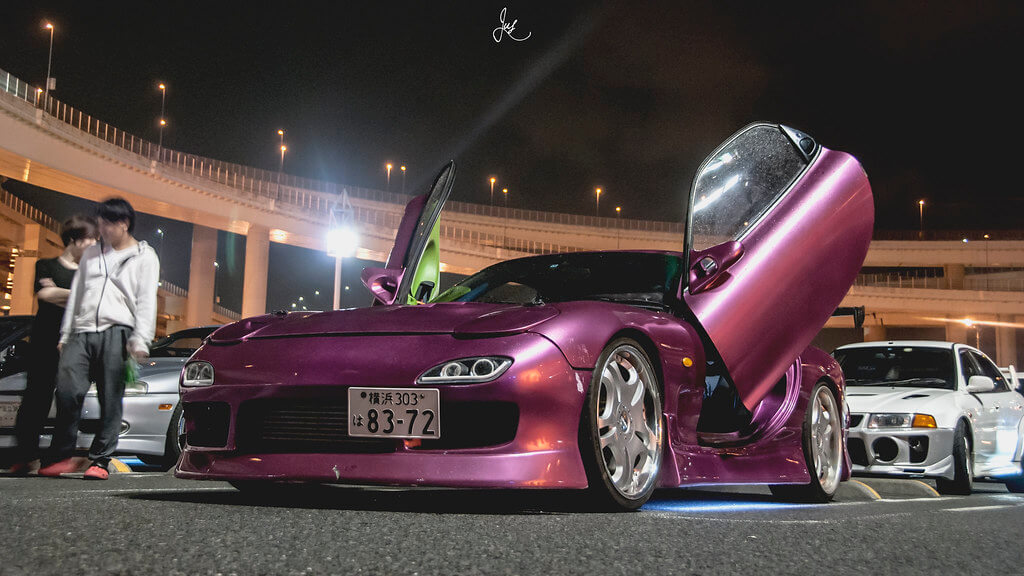
- The spiral view: the elevated ramps of Daikoku Junction curving above the cars make the most iconic photo backdrop.
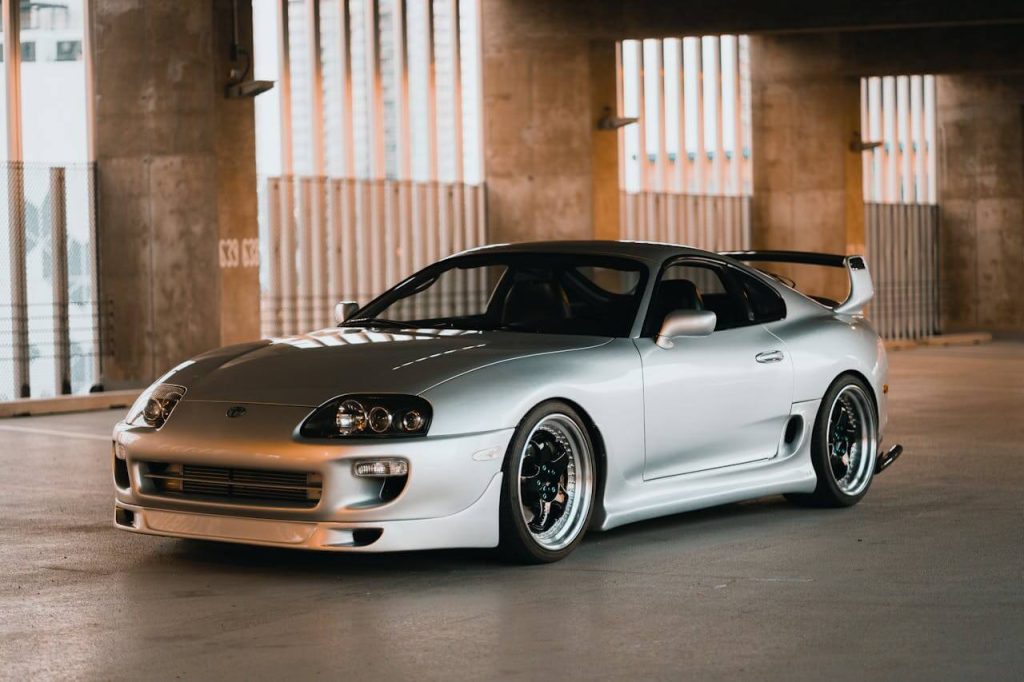
Expect anything from Skyline GT-Rs, Supras, RX-7s, AE86s and Toyota Soarers to European supercars, a rare Renault Clio V6 or an American muscle car.
Go further
Other car spots near Tokyo
Tatsumi PA
An elevated parking area on the Bayshore Route in Koto ward, much closer to central Tokyo. Its curved, layered layout and skyline views make it a favourite stop on night tours.
Umihotaru PA
An artificial island in the middle of Tokyo Bay on the Aqua-Line, between Kawasaki and Kisarazu. Its name means “sea firefly”, and on clear days you can see the Tokyo skyline and Mount Fuji.
Hakone Turnpike
A scenic mountain road south-west of Tokyo where enthusiasts meet on weekend mornings, with Mount Fuji views on clear days.
Book your Daikoku experience
FAQ
Daikoku PA: your questions answered
What does “PA” mean in Daikoku PA ?
It stands for Parking Area, a type of rest stop on Japanese expressways. Larger stops are called SA, for Service Area.
Is Daikoku PA open 24 hours ?
The rest area normally operates around the clock, but the police can temporarily close the entrance on busy nights.
Can I take a taxi to Daikoku PA ?
A taxi can drop you off, but the fare is expensive and getting a ride back is hard because taxis do not wait there. Book a return in advance or join a tour instead.
Can I bring my own car ?
Yes. Any road-legal vehicle can enter, from a stock daily driver to a supercar. Reckless behaviour such as revving or burnouts quickly attracts the police.
Are car meets at Daikoku legal ?
Daikoku PA is a public rest area, so parking and looking at cars is allowed. Gatherings are informal, police patrol regularly and step in when crowds or noise get out of hand.
Which day is best to see cars ?
Friday and Saturday nights usually bring the most cars. Sunday mornings are calmer and ideal for photography. No meet is ever guaranteed.
Can I take photos ?
Yes, photography is part of the experience. Just be respectful, ask before close-ups and avoid using flash in people’s faces.